
❝ HISTORY ❞

| Creation |
|---|
| The Greek creation myth tells of a cycle where each generation seeks power but is overthrown by the next. Gaia and Uranus create the Titans, but Uranus oppresses them, leading to Cronus overthrowing him. Cronus, fearing his own children, swallows them, until Zeus survives and dethrones him, starting the reign of the Olympian gods. |
@greek.mythxlxgy in instagram
| History |
|---|
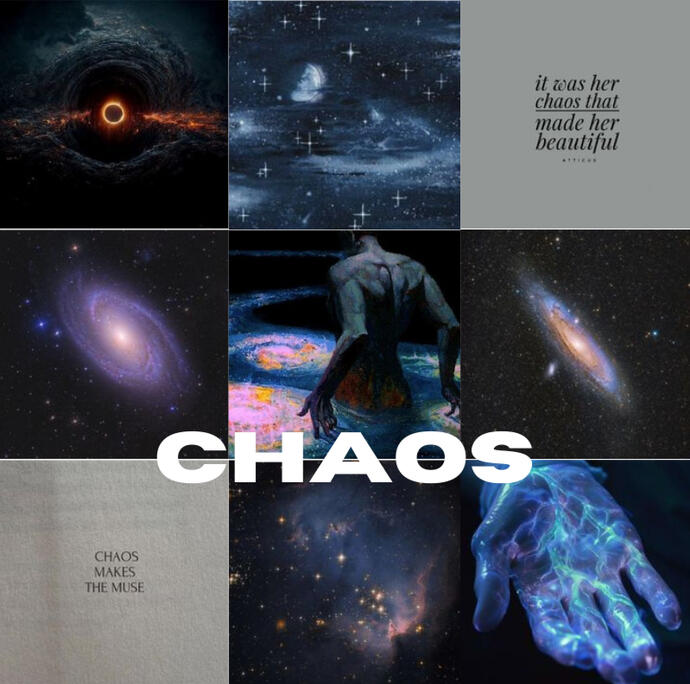
| Chaos in Greek mythology is the primordial entity that represents the initial void or disorder of the universe, existing before the creation of an ordered world. From Chaos emerged the first deities: Gaia (the Earth), Tartarus (the underworld), Eros (Love), Erebus (darkness), and Nyx (night), who shaped the cosmos. Although Chaos did not directly create the universe, it is considered the primordial source from which the principles that would organize the world emerged. |
| History |
|---|
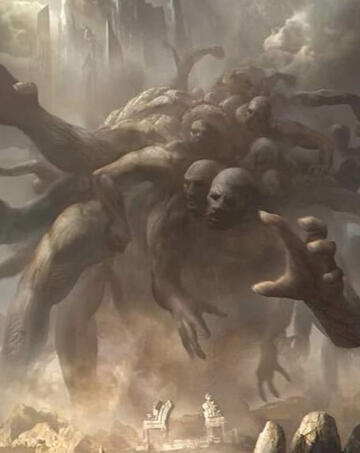
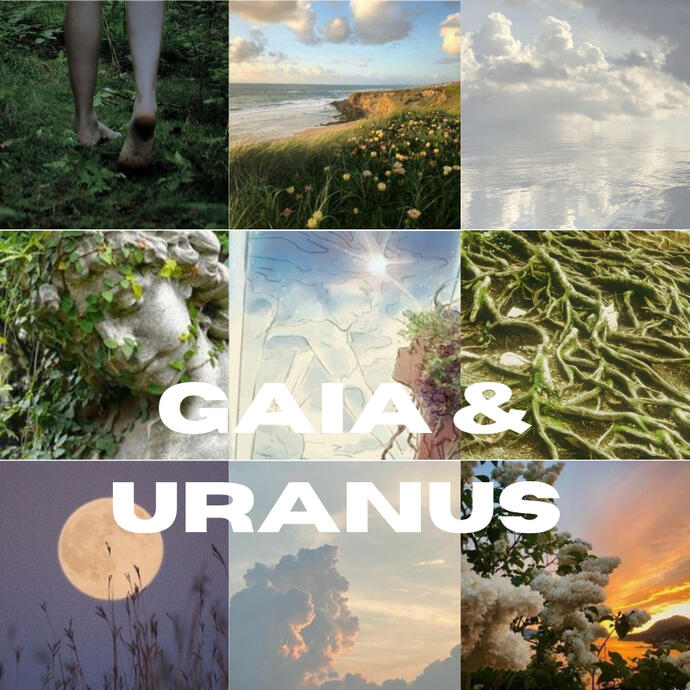
| In Greek mythology, Gaia (the Earth) and Uranus (the Sky) are primordial deities who united to give birth to the Titans, the Cyclopes, and the Hecatoncheires. However, Uranus feared the power of his children and imprisoned them, which enraged Gaia. She urged her son Cronus to castrate Uranus, leading to Uranus' overthrow and the rise of the Titans, marking an important step in the creation and order of the cosmos. |
| History |
|---|
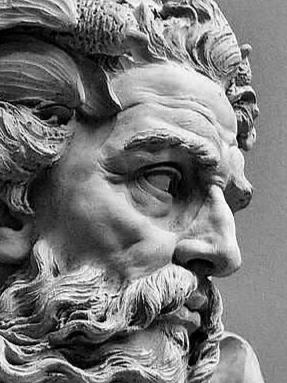
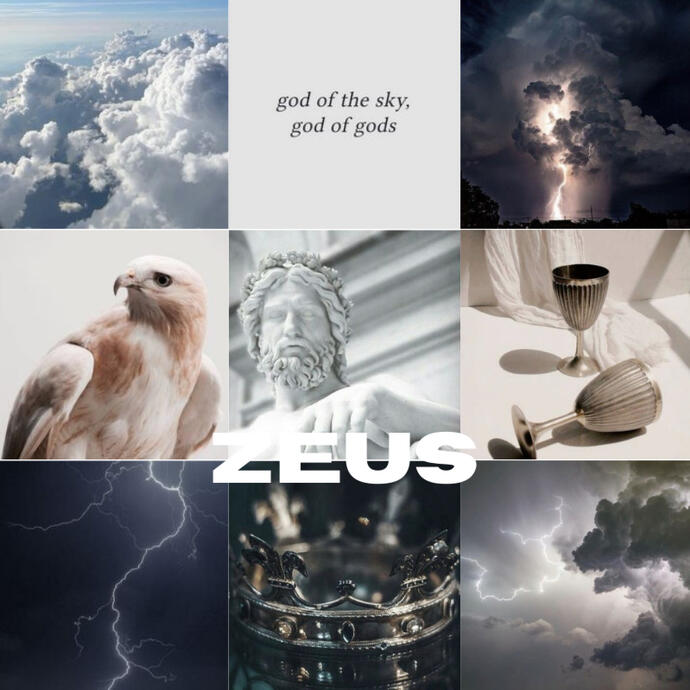
| Zeus, son of Cronus and Rhea, is the god of the sky, thunder, and lightning in Greek mythology. After freeing his siblings, who had been swallowed by Cronus, Zeus led the Olympian gods in the Titanomachy, a war against the Titans. With the victory of the Olympians, Zeus became the king of the gods, ruling over the sky and the earth, and establishing divine order, playing a key role in the organization of the cosmos. |
| History |
|---|
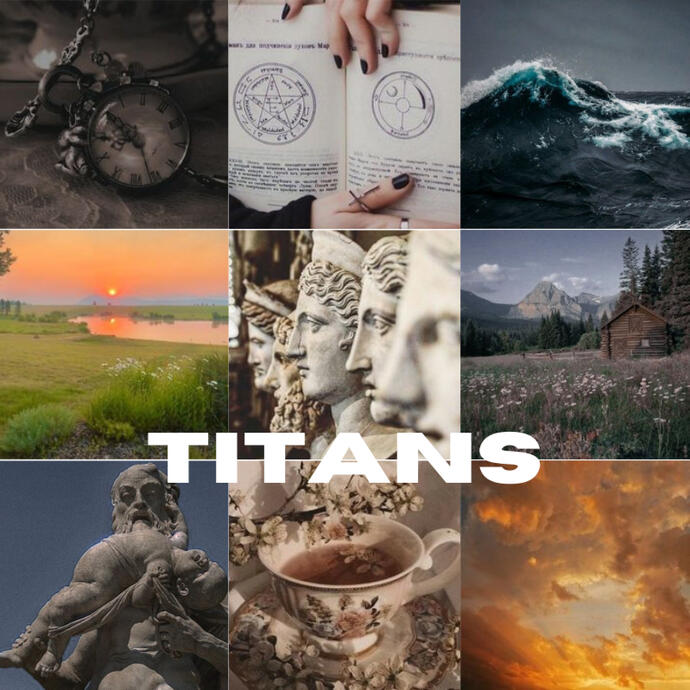
| The Titans are a race of powerful divine beings in Greek mythology, children of Gaia (Earth) and Uranus (Sky). They represent an earlier generation of gods and played a key role in the creation of the world. Along with other primordial beings, the Titans were part of the first cosmic forces. Some of the most well-known Titans include Cronus, who overthrew his father Uranus, and Rhea, mother of the Olympian gods. However, after a war known as the Titanomachy, the Titans were defeated by the Olympian gods, led by Zeus, who took control of the universe. Despite their defeat, the Titans were crucial in the early stages of the creation and organization of the cosmos. |